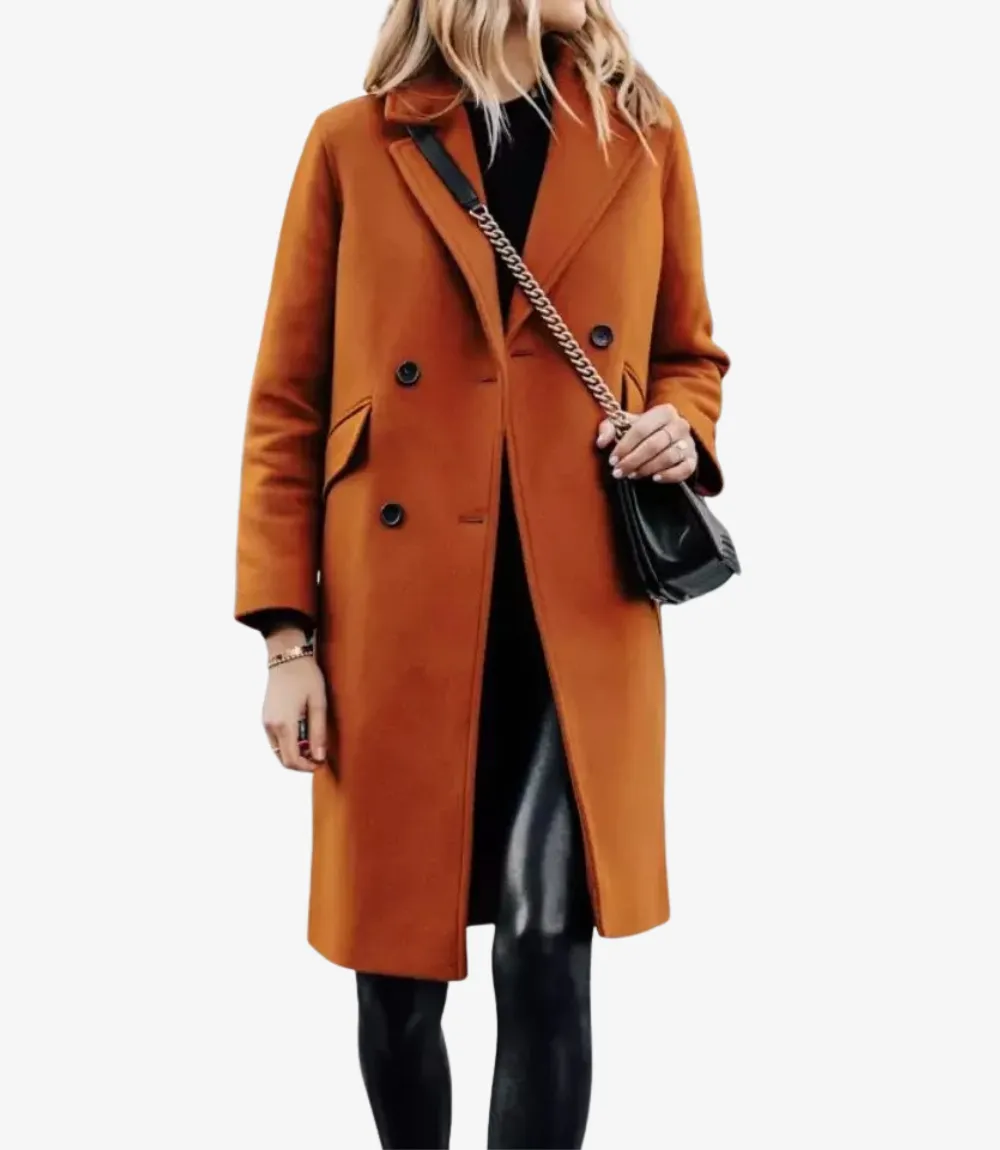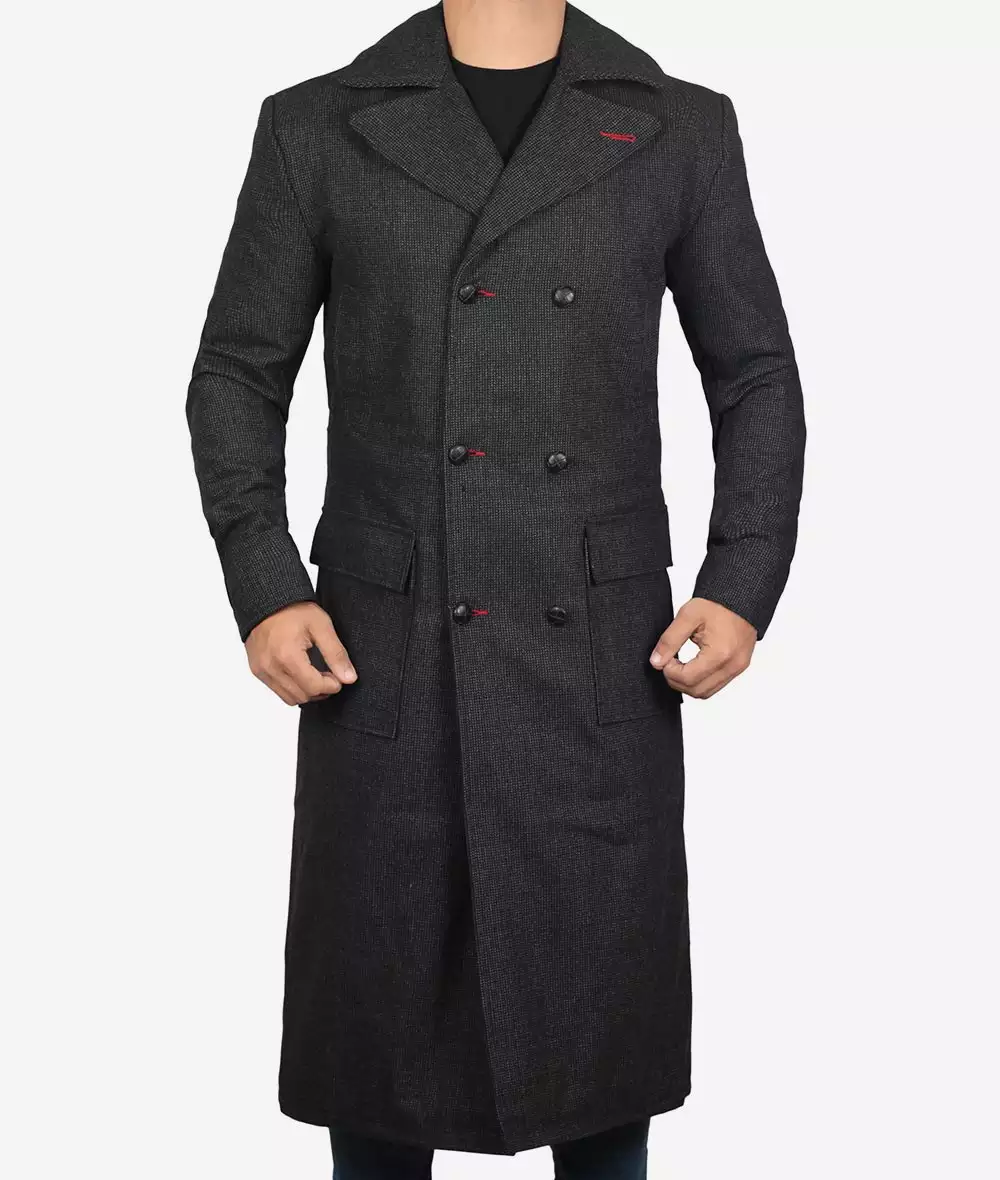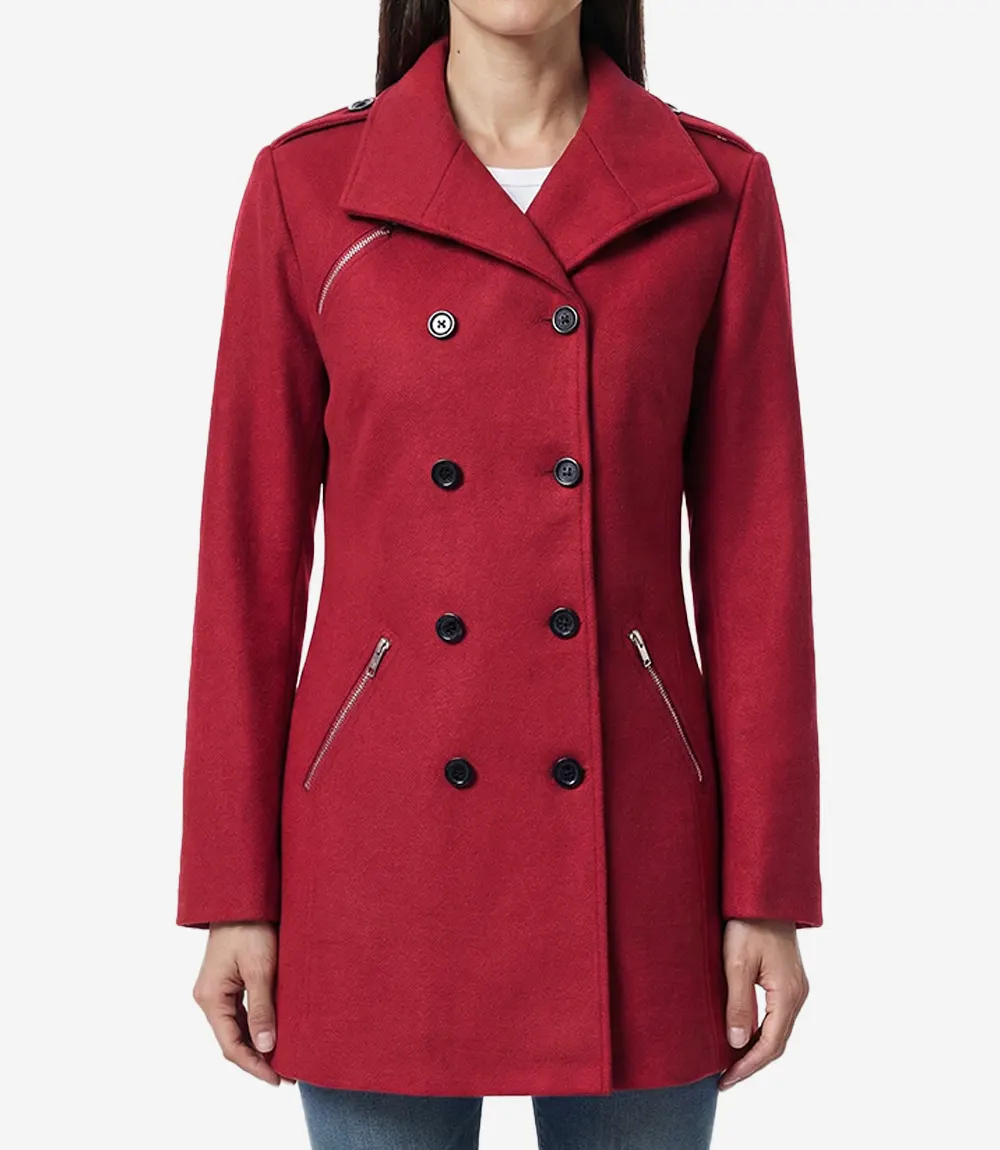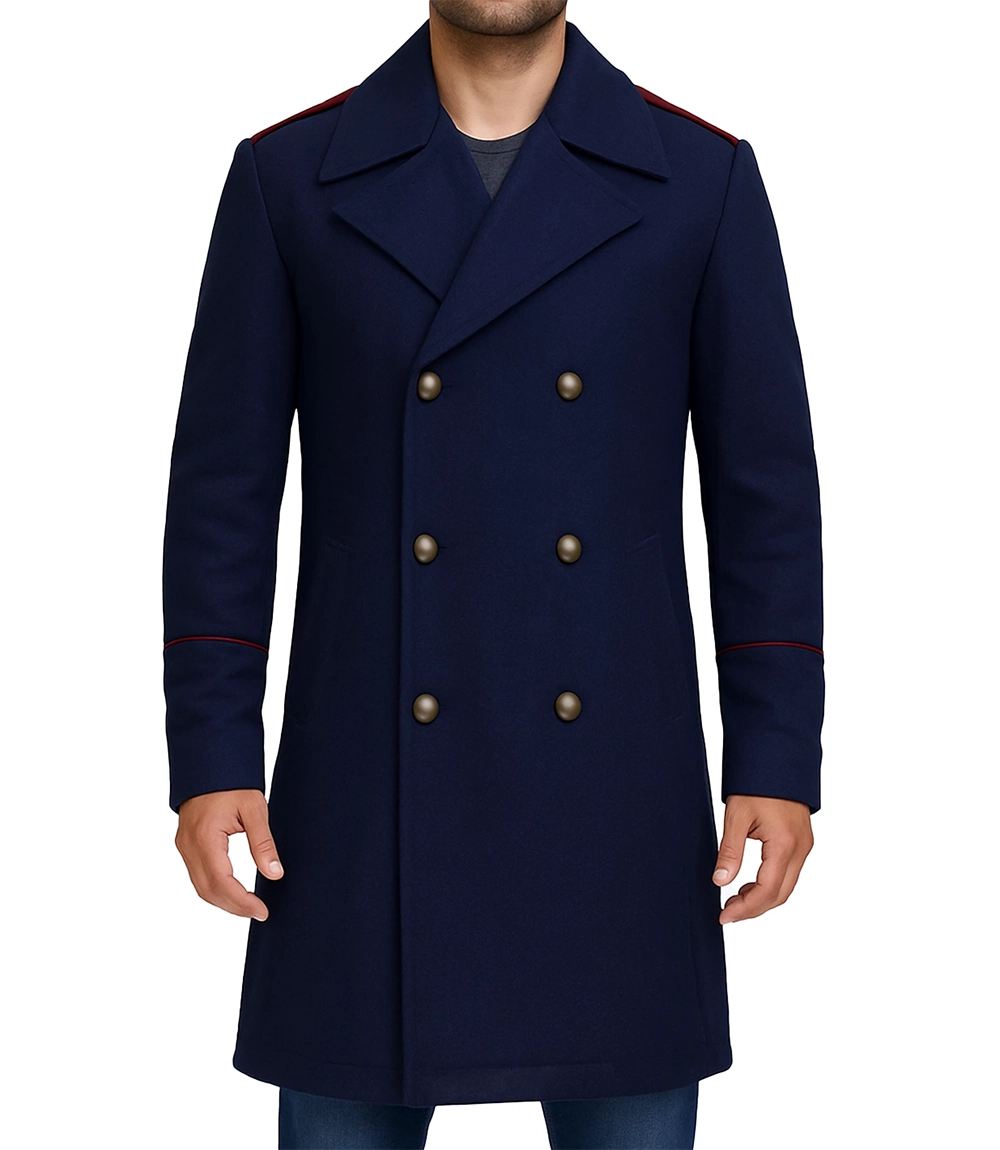
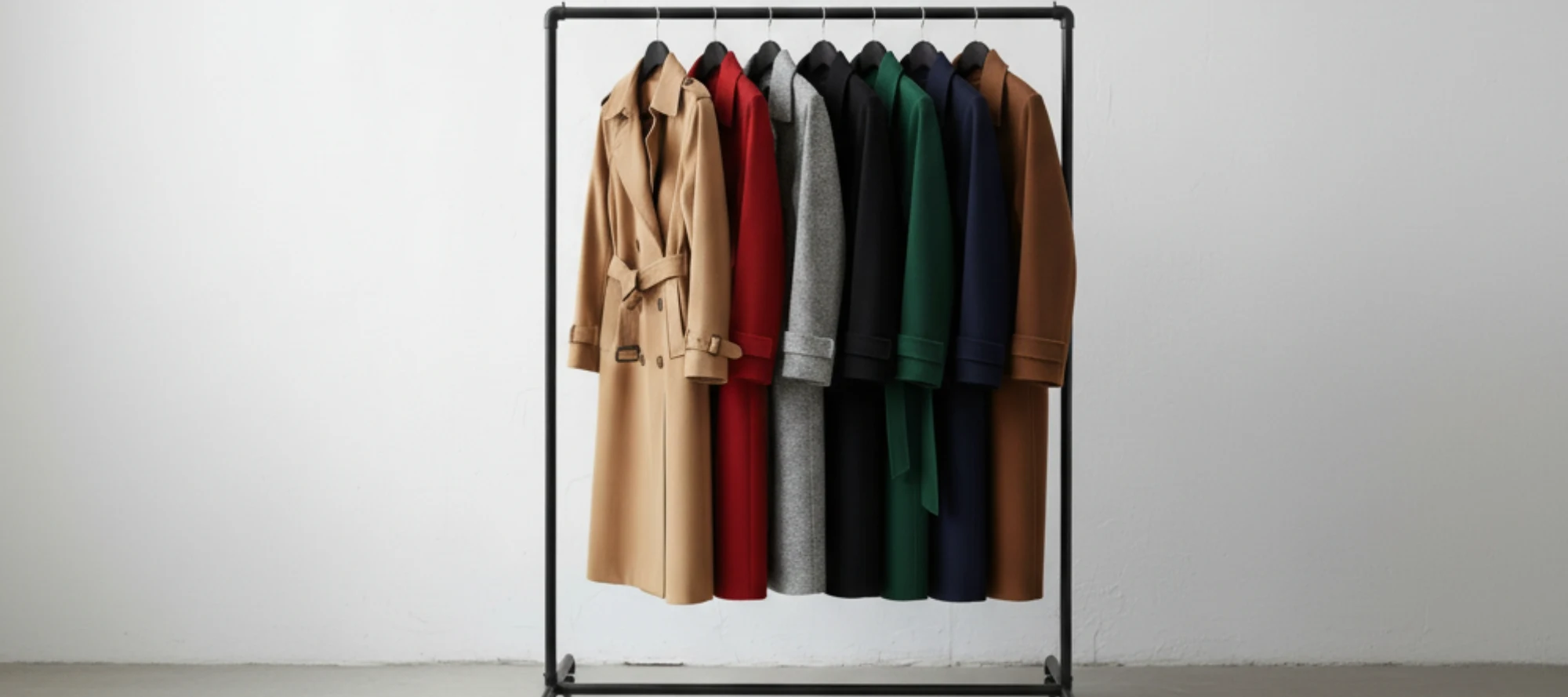
Investing in a high-quality wool coat is one of the most important wardrobe decisions you will make for the colder months. A well-crafted wool coat offers an unmatched blend of sophisticated style, structural elegance, and essential winter warmth. This comprehensive buying guide will walk you through everything you need to know—from decoding fabric blends and weaves to mastering the perfect tailored fit—so you can confidently choose a piece that will last for years.
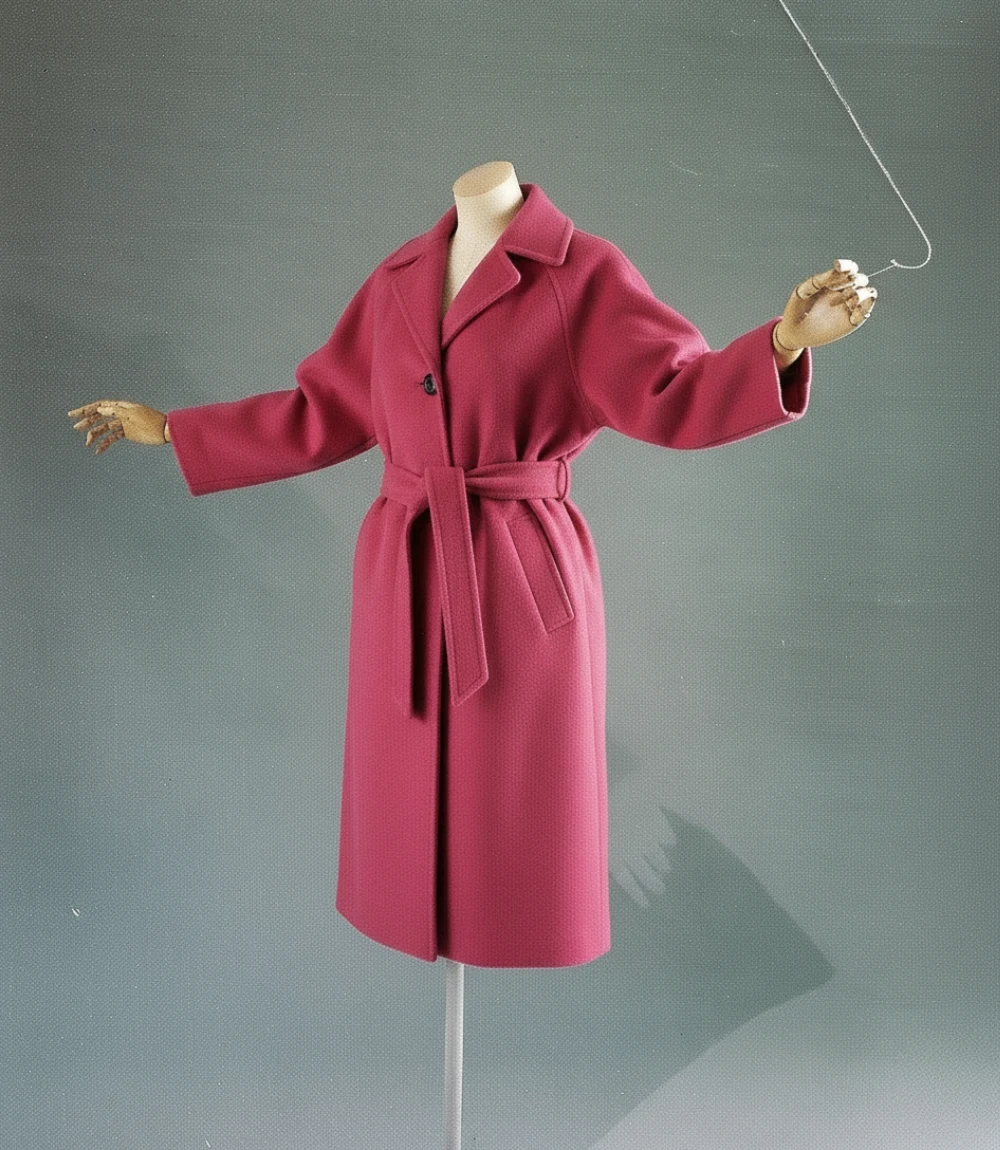
When temperatures drop, nothing beats the reliable performance of a classic men's wool coat. Genuine wool is nature's ultimate insulator. It offers incredible natural warmth, excellent wind resistance, and a timeless, structured aesthetic that outlasts fleeting fashion trends. Whether you are dressing for a formal office setting, navigating city commutes, or elevating your everyday casual wear, a beautifully tailored women's wool coat provides sharp structure without adding unnecessary bulk.
Furthermore, wool has moisture-wicking properties, meaning it continues to keep you warm even if it gets slightly damp from light snow or rain. If you want a single, versatile outerwear piece that does it all, discover exactly why wool coats are still the best choice for winter.
When shopping for outerwear, you will often encounter terms like pure wool, cashmere, and wool-blends. Wool-blend coats combine the natural warmth and breathability of pure wool with synthetic fibers (like polyester or nylon) to enhance lightness and durability. This makes them exceptionally practical for daily, heavy-duty use. For example, a piece like the Sixth Doctor Style Winter Overcoat utilizes these added fibers to improve overall comfort, drastically reduce wrinkling, and make maintenance significantly easier—ideal features for frequent travelers and daily commuters.
To dive deeper into the differences and find what suits your climate best, read our comprehensive guide on wool coat materials explained.
The type of wool weave drastically affects both the texture of the coat and its insulating properties. Here are the three most common weaves you should look for:
A high-quality coat loses its impact if the fit is sloppy. Use this checklist to ensure a sharp, tailored look:
For the most accurate fit possible, we strongly recommend referencing our detailed guide on how to measure your jacket size before ordering.
Beyond the wool exterior, the internal construction dictates how well a coat performs in freezing weather:
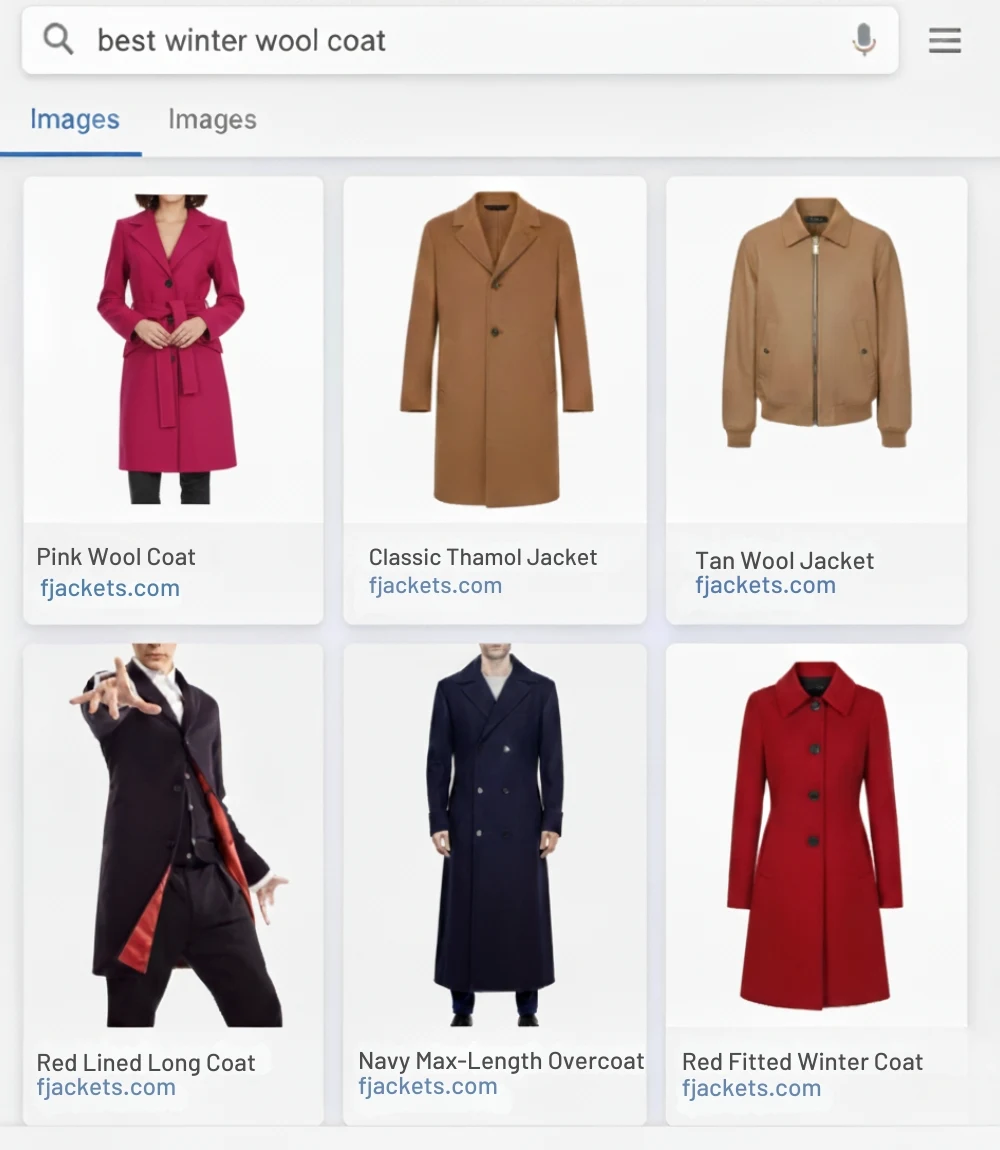
Choosing the right color ensures your coat integrates seamlessly with your existing wardrobe. Here is a quick styling breakdown:
| Category | Colors & Patterns | Style Notes |
|---|---|---|
| Classic Shades | Black, Navy, Gray, Camel | Highly versatile, timeless tones that pair flawlessly with everything from casual weekend denim to sharp, formal business wear. |
| Seasonal Favorites | Brown, Burgundy, Rust, Herringbone | Rich, earthy seasonal hues and subtle woven textures that add incredible depth, personality, and warmth to your cold-weather look. |
Expert Outfit Ideas:
Understanding the difference between these two classic silhouettes is key to nailing your winter style:
Care Tip: To ensure your new investment lasts over a decade, be sure to read our expert advice on how to care for and store wool coats so they last for years.
Ready to upgrade your winter wardrobe? FJackets' Fall Must-Have Sale is currently live! Grab up to 30–40% OFF on all premium real wool coats—including tailored men’s overcoats, elegant women’s wrap coats, and rugged, timeless peacoats. Every piece ships fast with free delivery included.
Wool coats are naturally, exceptionally warm and are ideal for 30°F–45°F (-1°C–7°C) temperatures. The dense, natural fibers actively trap your body heat while simultaneously letting excess moisture escape, keeping you incredibly cozy without the risk of overheating.
A premium, high-quality wool coat feels substantial, dense, and smooth to the touch, not thin, flimsy, or overly scratchy. Look for a high percentage of wool content (70–100%), tight, impeccable stitching, a full internal lining, and a highly structured, tailored fit designed for long-term durability and warmth.
Yes, natural wool inherently repels moisture and continues to insulate and keep you warm even when it gets slightly damp. It is great for light to moderate snow; however, we recommend pairing it with a dedicated water-resistant layer if you are expecting heavy, wet snowfall.
To maximize warmth, pick a coat with a very high wool content, a full (and ideally insulated) inner lining, and a length that covers down to your mid-thigh or knees. Styles constructed from heavy Melton or boiled wool consistently offer the absolute best insulation and wind resistance.
Not at all. Wool possesses a natural elasticity that powerfully resists wrinkles and helps the garment maintain its tailored shape. Simply hang your coat on a wide, sturdy hanger after wearing it to keep it looking crisp, fresh, and perfectly polished.
High-quality wool coats perform exceptionally well down to about 25°F (-4°C), provided you utilize proper layering techniques underneath. For extreme, sub-zero cold or severe blizzards, you should opt for a heavy down-filled or specially insulated parka instead.
A 100% pure wool coat will feel substantial on the shoulders, yet remarkably comfortable. This natural weight provides the coat's beautiful structure, superior warmth, and unmatched durability—all of which are the true hallmarks of premium outerwear craftsmanship.
John Austin is an expert contributor with 5+ years in the leather industry, blending precise care tips with cutting-edge fashion advice.