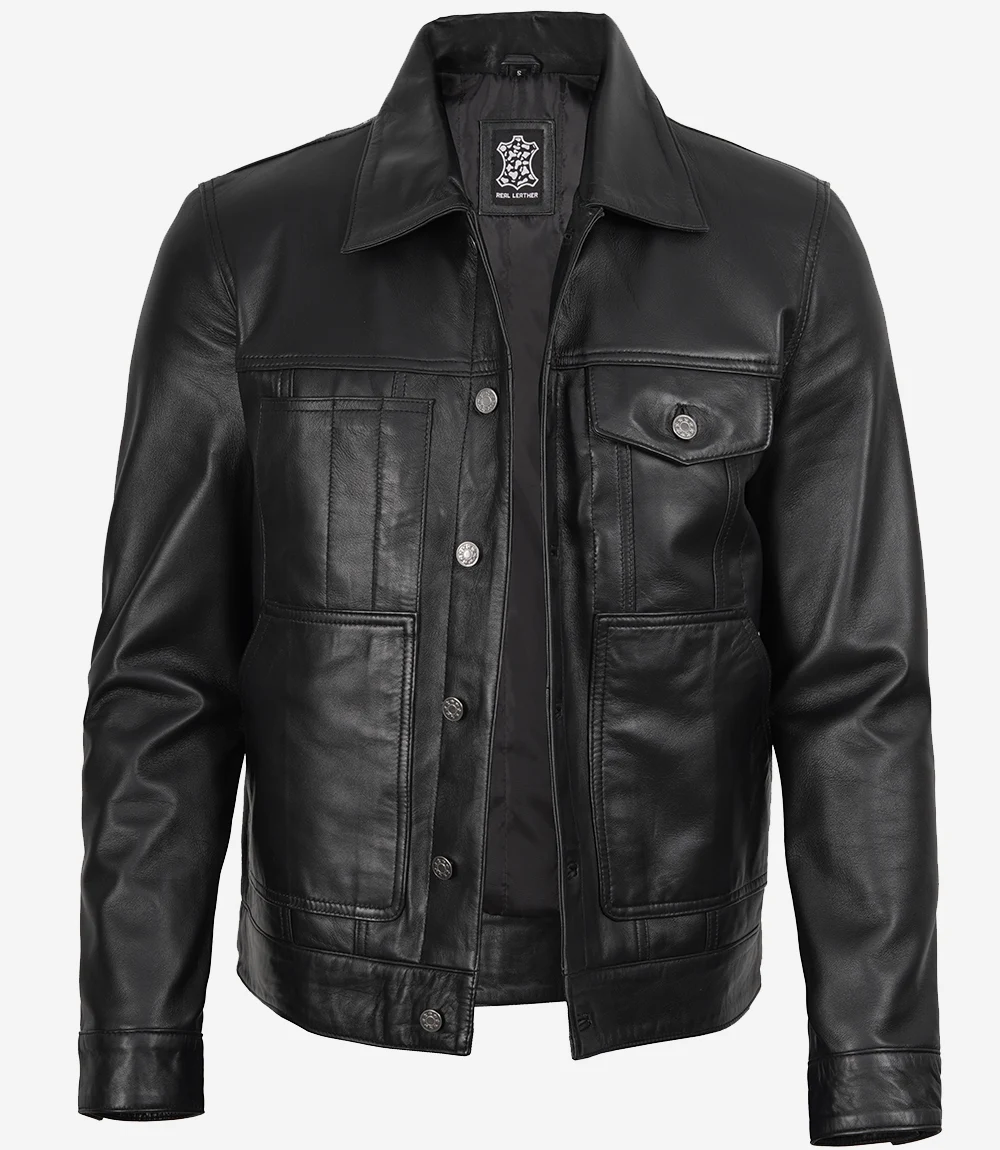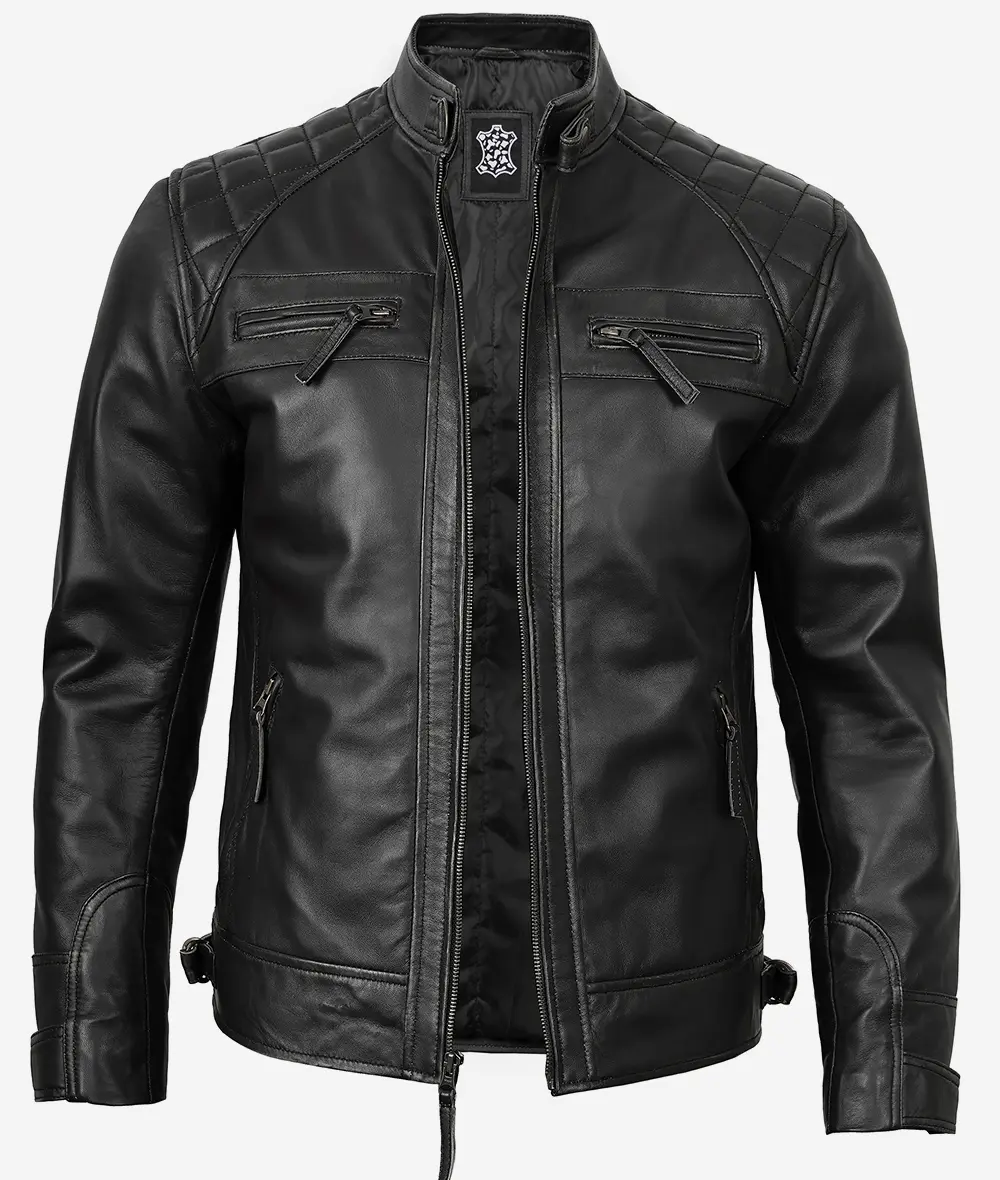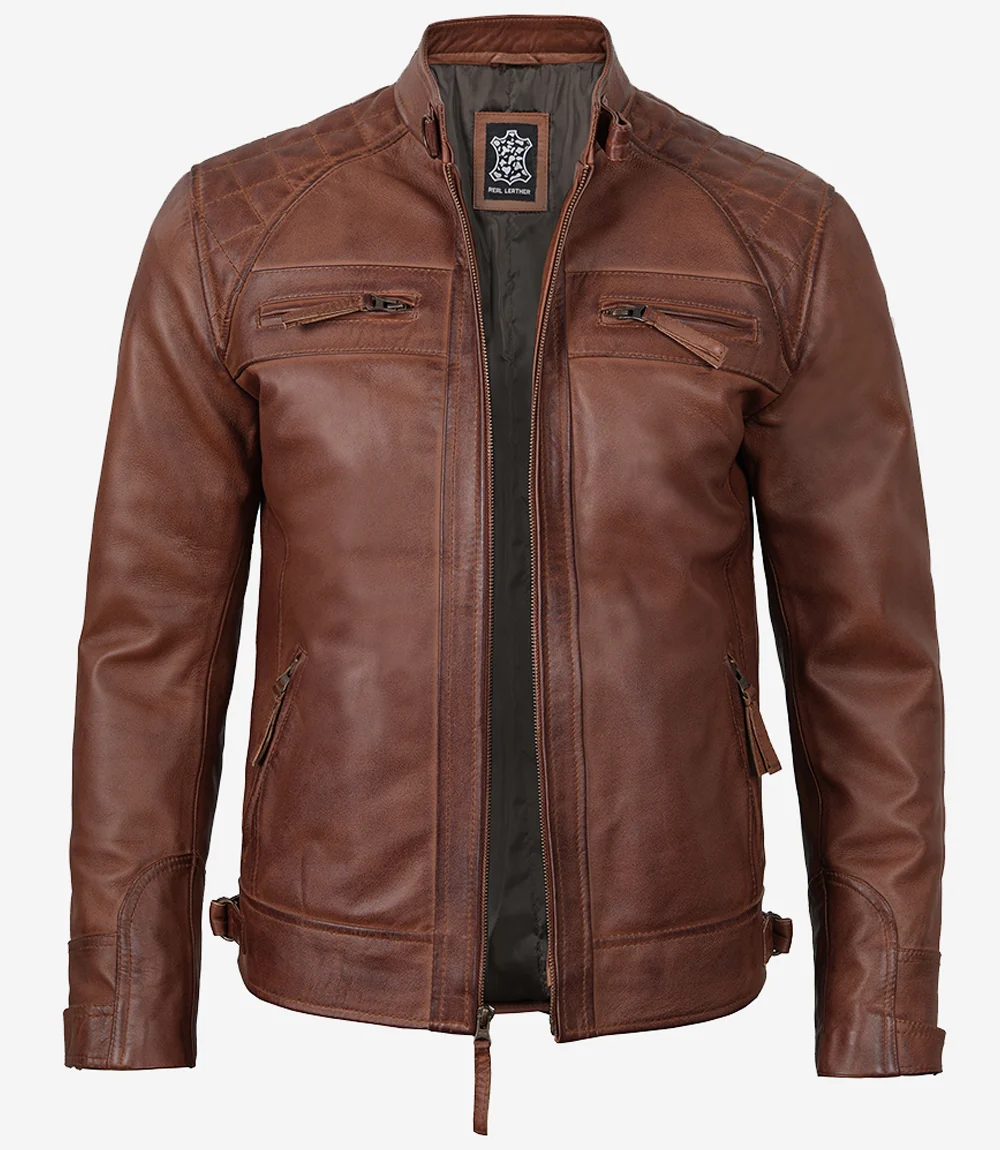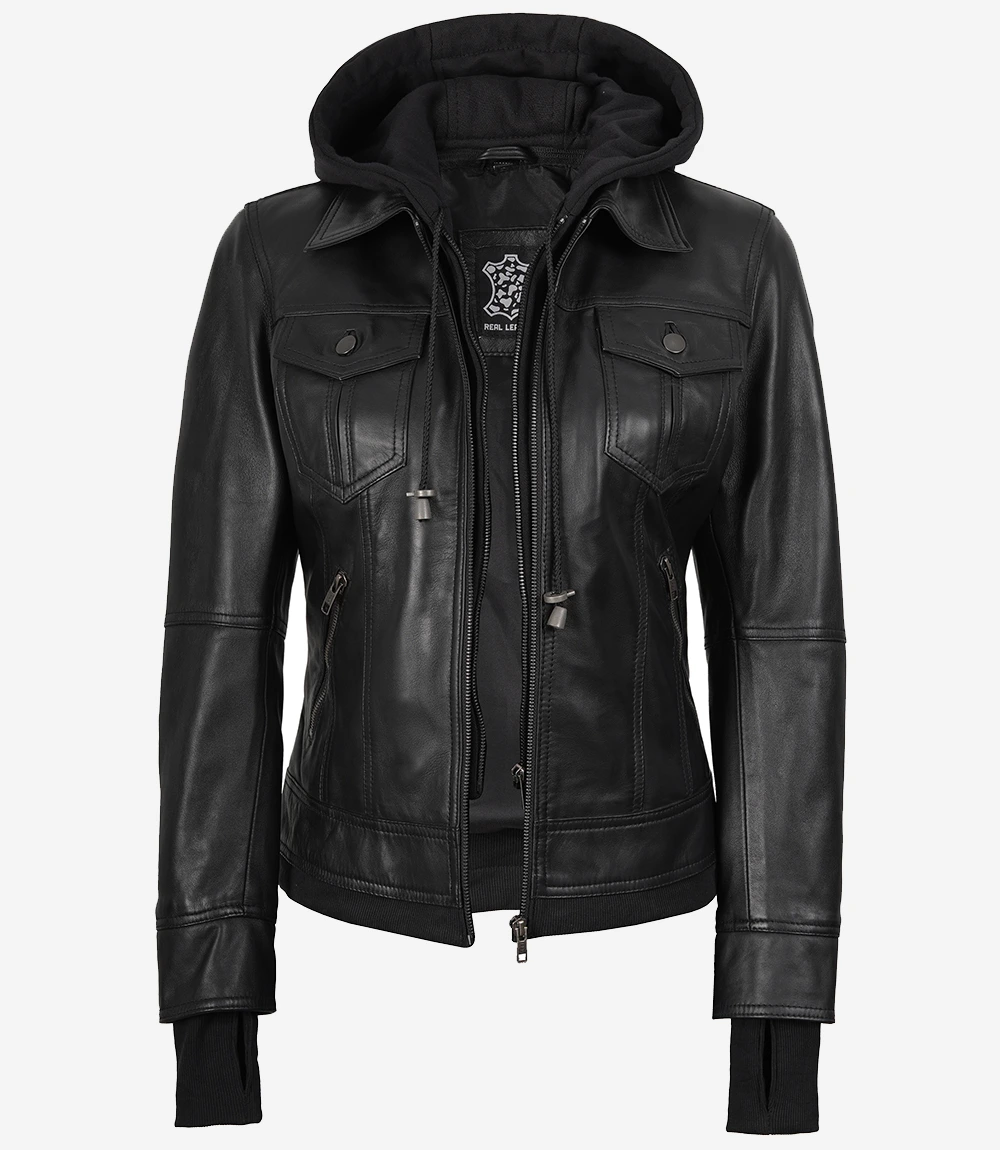
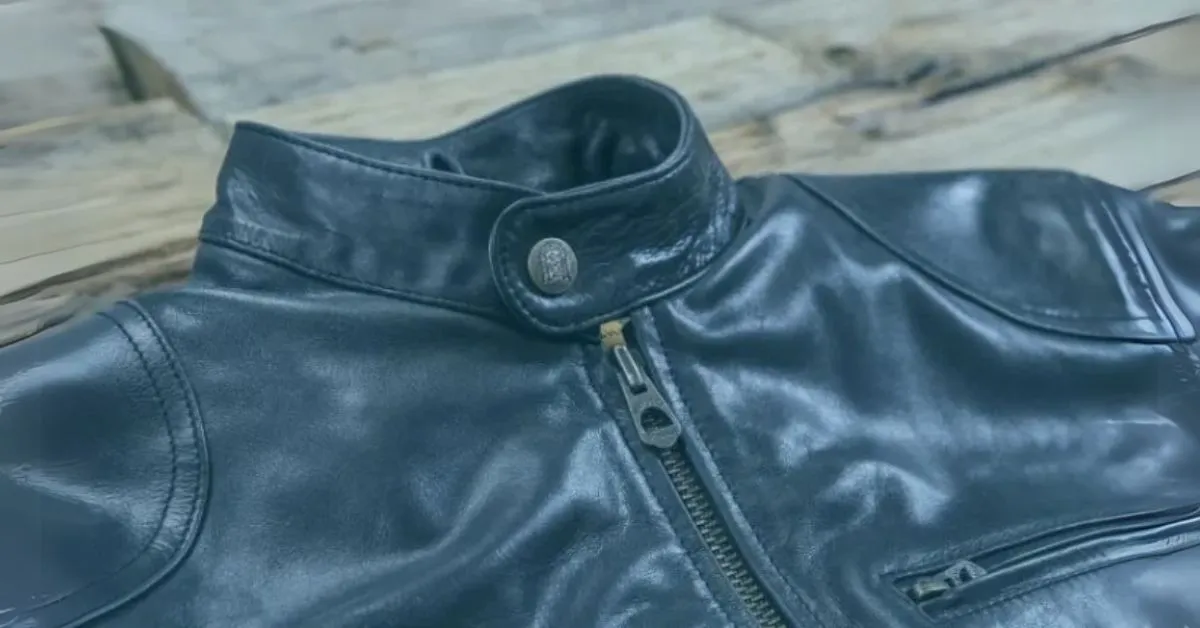
If you are considering investing in premium outerwear, you have likely asked yourself: how long do leather jackets last? The short answer is that a high-quality, real leather jacket can last anywhere from 20 years to a lifetime with proper maintenance. In contrast, synthetic or faux leather often begins to peel, crack, and degrade within just 3 to 5 years.
Understanding the difference between genuine and PU leather is the first step to ensuring you make a long-lasting wardrobe investment. Real leather is a dynamic, natural material that actually becomes softer, more comfortable, and visually richer as it ages. However, its ultimate lifespan depends on five critical factors:
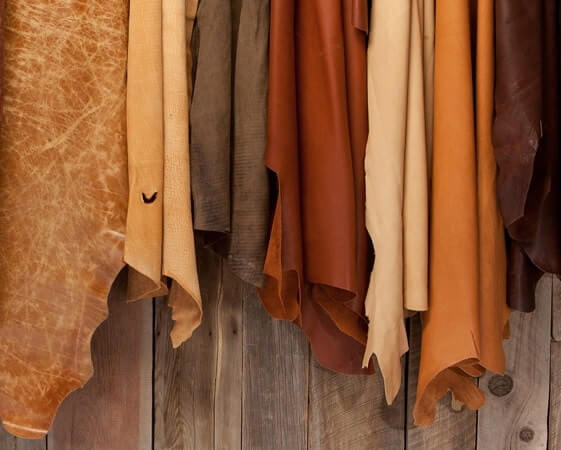
The type of hide used plays a massive role in the durability and function of the garment. Always check the product specifications or label before purchasing to ensure the material matches your lifestyle needs.
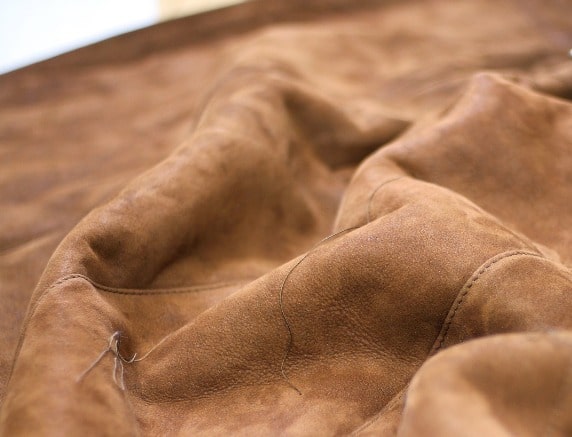
Not all genuine leather is created equal. The specific grade of the hide dictates both the price point and the longevity of the jacket. Knowing how to identify a genuine leather jacket will save you from overpaying for inferior materials.
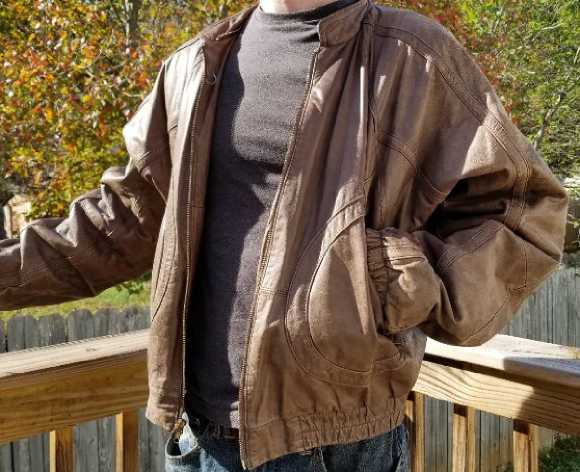
How and where you wear your jacket directly impacts its lifespan. A jacket worn daily on a motorcycle commute will face harsher elements (wind, sun, rain, bugs) than a sleek blazer worn occasionally for evening outings. If you plan to wear your jacket rigorously in tough environments, invest in thicker materials like cowhide. Lower-quality jackets will quickly show signs of stress, color fading, and seam failure if exposed to heavy daily use without adequate maintenance.
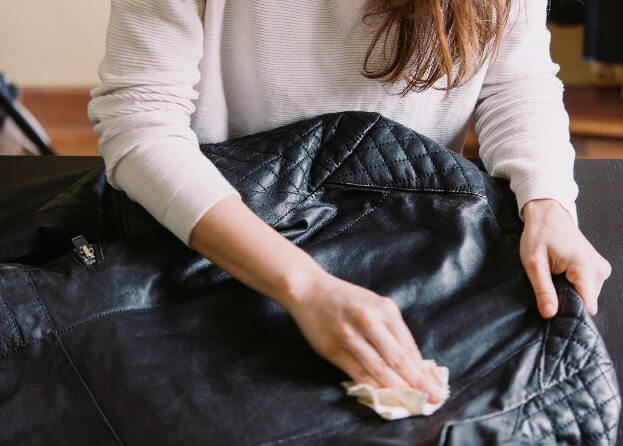
Leather is a natural, porous material that acts much like human skin; without moisture, it dries out, stiffens, and cracks. Proper maintenance is absolutely non-negotiable if you want your jacket to last.
Clean your jacket regularly with a lightly damp microfiber cloth to remove surface dust and environmental pollutants. Keep it away from prolonged exposure to harsh sunlight, which causes severe fading, and avoid getting it soaked in heavy rain. Most importantly, apply a high-quality leather conditioner every 6 to 12 months to keep the fibers hydrated and resilient. For a comprehensive breakdown, review our expert leather jacket care tips.
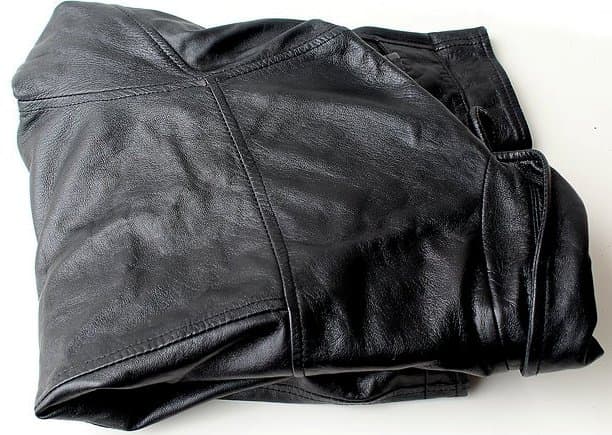
How you store your jacket at the end of the winter season determines how it will look next autumn. Follow these fundamental rules to prevent permanent damage:
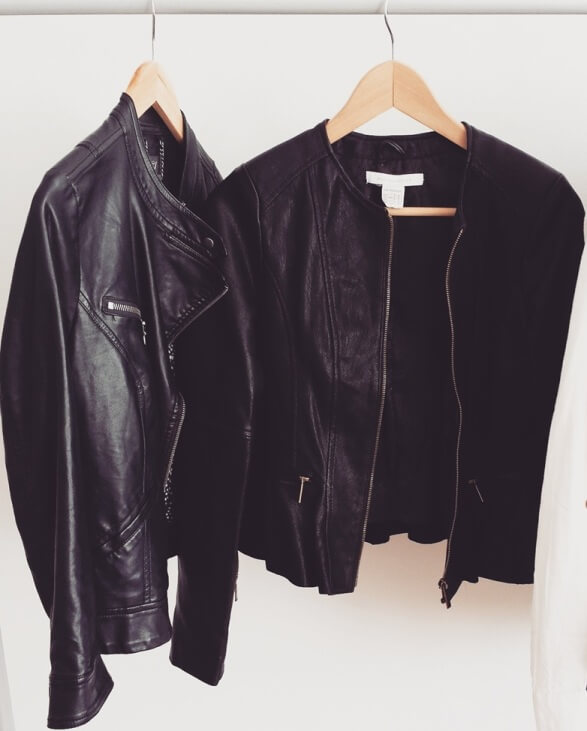
To maximize your investment and ensure your women's leather jacket or men's coat lasts a lifetime, adopt these highly effective habits:
When shopping for outerwear, pricing can be incredibly confusing. Why does one jacket cost $50 while another is tagged at $500? Understanding the components of a jacket's cost will help you make an informed decision.
A $50 jacket is almost certainly made of PU (Polyurethane) leather—a chemically synthesized plastic designed to mimic real hides. While cheaper, it lacks breathability, smells of chemicals, and typically begins to peel within a year or two. A real leather jacket is constructed from actual animal hides (lambskin, cowhide, goatskin), offering unmatched durability, warmth, and a luxurious feel that justifies the higher initial cost.
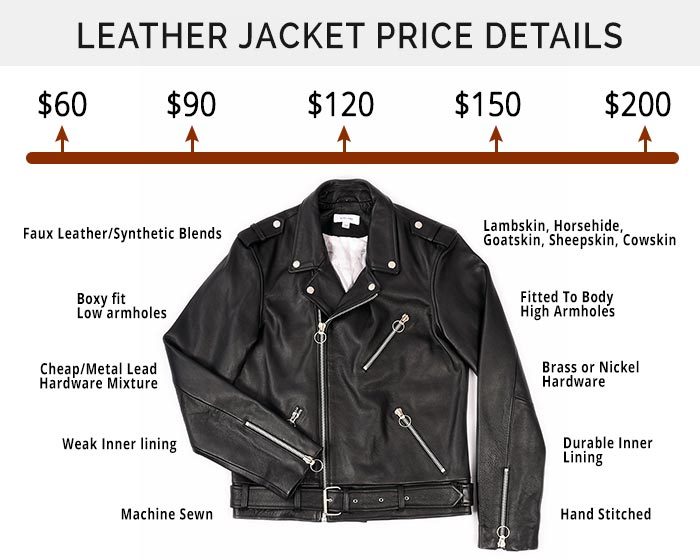
For a jacket designed to last a decade or more, expect to invest upwards of $200 to $300 for a quality piece. If you are on a budget but refuse to compromise on authenticity, FJackets offers an extensive collection of premium, genuine lambskin and cowhide jackets starting around $179, providing exceptional value without the massive retail markup.
While top-tier materials account for some of the cost, jackets priced over $1,000 are heavily inflated by brand prestige and luxury marketing. You are often paying for the designer label stitched into the collar rather than a tangible increase in leather quality. Direct-to-consumer brands eliminate these middlemen markups, delivering identical premium craftsmanship at a fraction of the cost.
The longevity of a leather jacket is the ultimate testament to its quality. By choosing a genuine leather product, understanding your usage needs, and committing to routine maintenance—cleaning, conditioning, and proper storage—you transform a simple purchase into a lifelong wardrobe investment. Ditch the temporary fast-fashion faux leather and invest in a piece that will age as gracefully as you do.
Can I make my clothes last a lifetime?
You can significantly extend the lifespan of your garments with proper care, which includes washing them less frequently, air drying, and using mild detergents. However, only high-quality natural materials—like full-grain leather or heavy wool—have the potential to literally last a lifetime with consistent, dedicated maintenance.
How can I become more stylish with a leather jacket?
The secret to style is flawless fit. Never buy a jacket that doesn't fit your shoulder width perfectly. For a timeless, effortlessly stylish look, pair a classic black leather jacket over a fitted white t-shirt, dark denim jeans, and a pair of leather Chelsea boots.
Should you zip up a leather jacket?
In casual street style, most people leave their leather jackets unzipped to show off their layers and create a relaxed silhouette. However, if the weather turns cold or you are riding a motorcycle, zipping it up completely transforms the look into something sleek, functional, and equally stylish.
How much does it cost to replace a zipper on a leather jacket?
Because leather is thick and requires specialized sewing machines, zipper replacement generally costs between $30 and $70 at a professional tailor. Sometimes, if the teeth are intact, a tailor can simply replace the slider mechanism for under $20.
Do leather jackets shrink or stretch?
Genuine leather naturally stretches and molds to the specific shape of your body over time, making it uniquely yours. While it is possible to intentionally shrink leather by soaking it in water and applying heat, this is highly risky and can severely damage the hide's natural oils and structure.
Are leather blazers in style?
Yes, leather blazers have seen a massive resurgence in modern fashion, popularized by style icons and celebrities. They are an essential wardrobe piece because they effortlessly bridge the gap between edgy streetwear and polished, semi-formal attire.
What is a leather conditioner used for?
A leather conditioner is essential for hydrating the hide. It penetrates the pores of the leather to replenish natural oils, preventing the material from drying out, stiffening, and cracking over time. It is a mandatory product for long-term leather restoration and maintenance.
John Austin is an expert contributor with 5+ years in the leather industry, blending precise care tips with cutting-edge fashion advice.